
The Sicilian Defense is the most heavily analyzed reply to 1.e4, and the White player has to decide how to meet it before deciding what to study. That choice — the Open Sicilian, the Alapin, a Bb5 system, the Smith-Morra, or a 2.Nc3 move order — matters more than any single book, because each route leads to a different kind of game and a different amount of theory to carry. This guide covers nine books across five of those routes, with a note on the one route where the current literature does not support a recommendation.
Last updated September 2026.
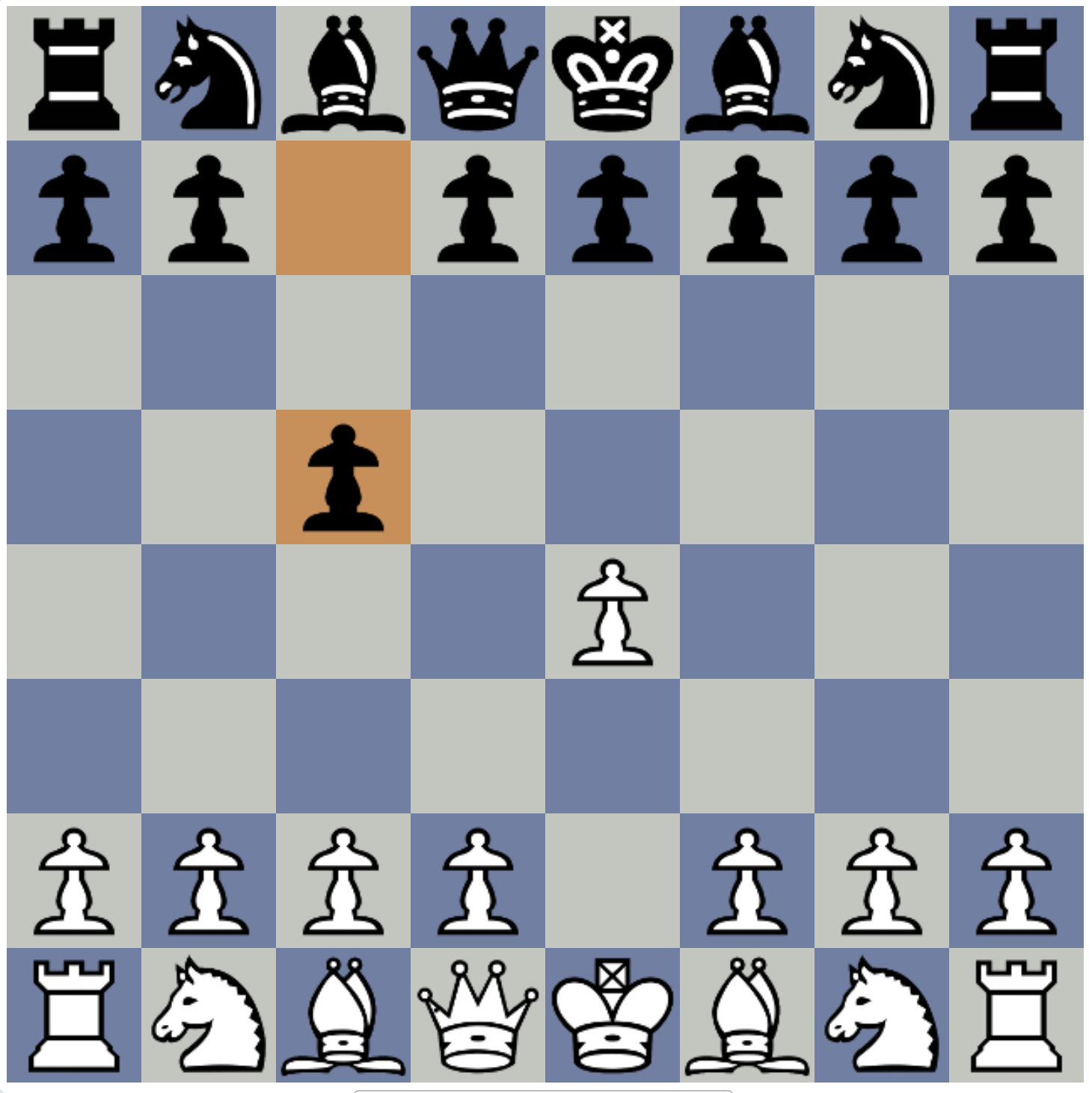
Which route should you pick to study the Sicilian?
If you want to study the sicilian main lines and have time to study, go to the Open Sicilian section. If you want a fraction of the theory, look at the Alapin or the Bb5 systems. If you want the sharpest possible fight and are willing to gambit a pawn, the Smith-Morra section has one book. A 2.Nc3 move order, which sidesteps Black’s main defences, has a section of its own below.
The books below are grouped by route, not ranked against each other — a Rossolimo book and an Open Sicilian book are not competitors, and choosing between them is choosing between two different chess lives.
Best books for Open Sicilian
Start here if you want the critical test of Black’s opening and accept the study load that comes with it. Four books cover this route, and they differ mainly in how much material they ask you to absorb.
Grandmaster Repertoire: 1.e4 vs The Sicilian I–III — Parimarjan Negi
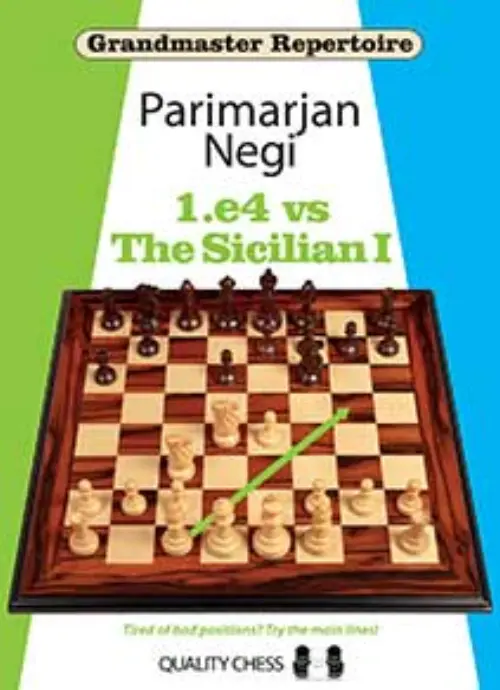
Three volumes from Quality Chess: Volume I (2015, 359 pages) covers the Najdorf with 6.Bg5 including the Poisoned Pawn; Volume II followed in November 2015 (400 pages) and Volume III in August 2016 (488 pages). Reviewing Volume I for Chess Life, John Hartmann wrote that Negi “turns 6.Bg5 into a fearsome weapon against the Najdorf suitable even for his Grandmaster readers,” calling it “a serious book for advanced players, one that will drive the theoretical discussion on the Najdorf for the foreseeable future.”
This is the most demanding option in the guide by page count alone, and the level assessments are consistent with that. Uwe Bekemann’s assessment is that the primary audience is the advanced player, with the experienced club player as the floor rather than the target — a less experienced reader, he writes, will quickly be overwhelmed. IM Dirk Schuh puts a similar number on it, suggesting a strength of around 2000 DWZ as a desirable minimum. Nothing in the sourced record claims any of Negi’s analysis has been refuted, but the set dates from 2015–16 in the fastest-moving corner of the opening, and a reader should expect to update the sharpest lines independently.
Playing 1.e4: Sicilian Main Lines — John Shaw
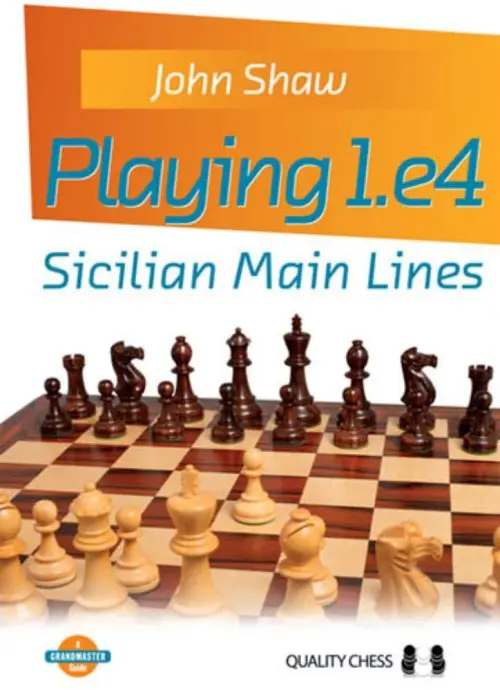
Quality Chess, May 2018, 456 pages, covering the main lines including the Taimanov, Sveshnikov and Najdorf. IM Dirk Schuh recommends it warmly and singles out the practical range: below roughly 2100, he suggests, this repertoire wins a lot of games. He also draws the comparison that matters most for choosing between this and Negi — around 540 pages of Sicilian theory across Shaw’s whole 1.e4 repertoire against roughly 1,250 across Negi’s three volumes. That is the same route with a very different memorization load.
Dismantling the Sicilian — Jesus de la Villa and Max Illingworth
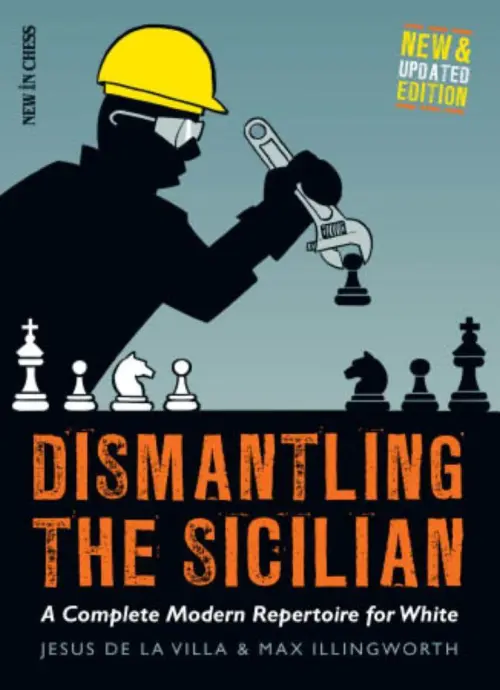
The New and Updated Edition, New In Chess, November 2017, 368 pages. This is a genuinely revised book rather than a reprint: the first edition (2009) was written by de la Villa alone, and Illingworth writes in the new introduction that he “found it necessary to change the basic framework of the repertoire.” IM Dirk Schuh engages with its conclusions directly in a later review, agreeing outright with an assessment Illingworth makes in it — a sign the book is treated as a serious reference rather than an introduction.
The Open Sicilian — Ivan Saric
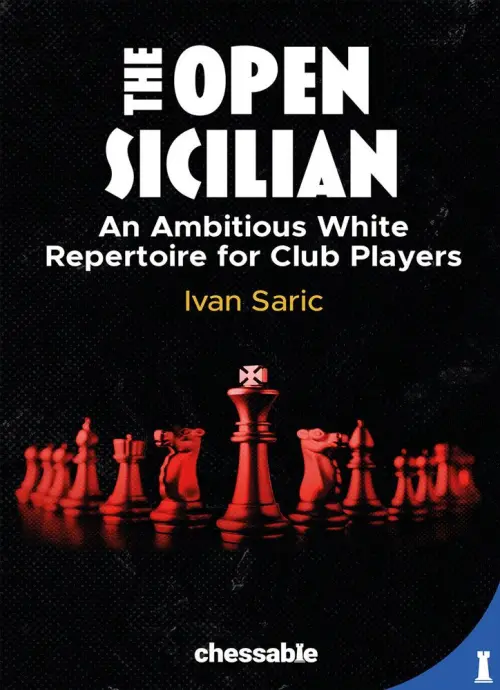
Chessable, May 2023, 440 pages, a print book based on the author’s course. Reviewing it in New In Chess magazine, GM Matthew Sadler wrote that Saric “delivers more than 400 pages of a well-crafted opening repertoire for White in the Open Sicilian with a mix of cutting-edge theory and clever move-orders,” concluding: “a pretty good book with plenty to interest the aggressive 1.e4 player looking for repertoire ideas in the Open Sicilian,” worth four stars.
Sadler also names an omission — a 7.f3 h5 system in the Dragon that has been scoring well for Rapport and Andreikin in blitz — and notes he spotted it partly because Saric lost a game as White to Rapport in 2021. Despite the subtitle’s reference to club players, the level this review describes is higher: Sadler tested the critical endgame himself and concluded he would need “a healthy portion of hard study” to stand a chance of holding it as Black.
Best books for the Alapin (2.c3)
Pick this route if you want a sound, low-theory answer that steers the game toward structures you can learn once.
Squeezing the Sicilian: The Alapin Variation — Alexander Khalifman and Sergei Soloviov
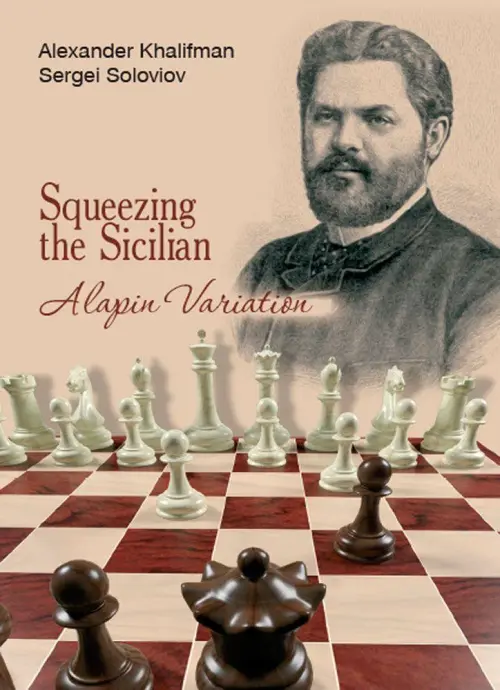
Chess Stars, 2020, 456 pages. Uwe Bekemann considers it suitable from a lower club level upward. IM Dirk Schuh’s view is more qualified and worth knowing before you buy: his main criticism is that the presentation is mostly variations in Informator style with limited verbal explanation, and he explicitly advises players below about 1700 DWZ against the purchase. Those two assessments are not reconciled here because they genuinely disagree — the book’s density is the point at issue, and where you sit on that determines whether it suits you.
Best books for the Rossolimo and Moscow (3.Bb5)
Pick this route to sidestep the Open Sicilian’s theory while keeping a full game. Two books, and they are not doing the same job.
The Modernized Anti-Sicilians, Volume 1: Rossolimo Variation — Ravi Haria
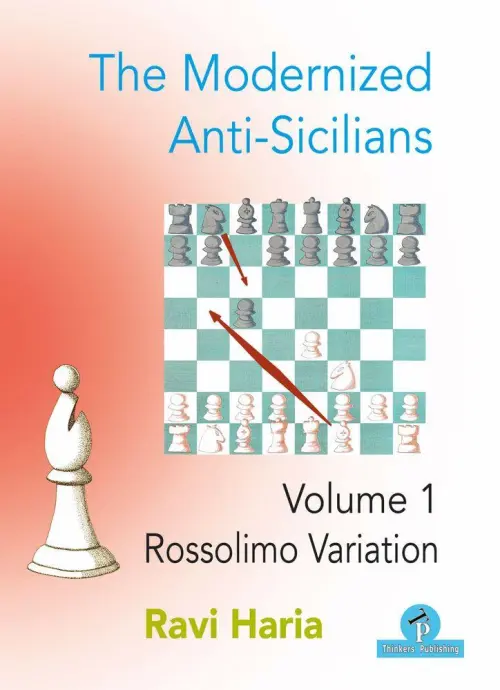
Thinkers Publishing, first edition 2020, 520 pages, devoted to 3.Bb5 against 2…Nc6. Reviewing it for British Chess News, FM Richard Webb concluded: “this is an excellent book which will give any white player a very good grounding in the Rossolimo Variation. All the major variations are covered with a significant number of original suggestions and analysis. Buy this book!” He places it at club level.
A second volume covering the Moscow Variation appeared in 2023. It is not recommended here — not because of any criticism, but because no review of it was found, so there is nothing to recommend it on.
Rossolimo and Friends: A Complete Repertoire vs the Sicilian — Alexei Kornev

Chess Stars, 2015, 348 pages. Where Haria’s book is a Rossolimo monograph, this is a complete anti-Sicilian repertoire: the Rossolimo after 2…Nc6, the Moscow after 2…d6, and answers to Black’s other second moves. Both Bekemann and Schuh recommend it at club level.
One caveat from Bekemann is worth stating plainly: a reader who wants every concrete move order spelled out risks being disappointed. The repertoire is coherent but expects you to bring a game database alongside it.
Best books for the Smith-Morra Gambit
Pick this route for the sharpest fight in the guide, if you are willing to gambit a pawn.
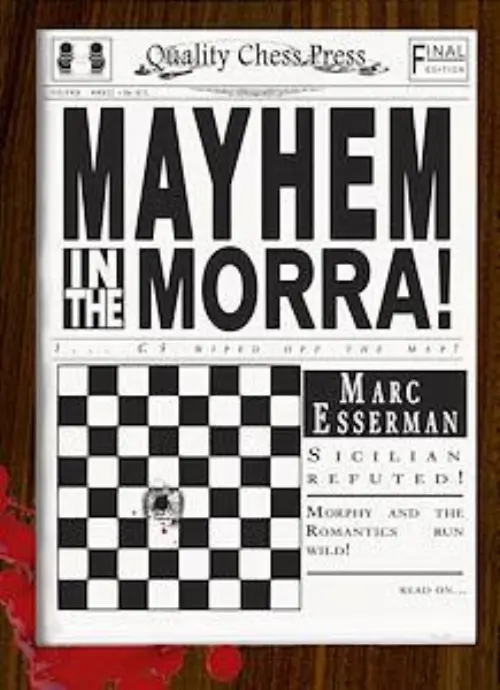
Mayhem in the Morra — Marc Esserman
Quality Chess, 2012, 360 pages, on 1.e4 c5 2.d4 cxd4 3.c3. Uwe Bekemann gives it a clear buy recommendation, and it holds up at both club and advanced level.
The more interesting evidence is about durability. Eight years after publication, a forum thread specifically titled around a supposed refutation concluded there was none — no system was found yielding more than equality for Black, and one participant judged that Esserman’s own verdict of dynamic equality “still holds up.” For a gambit book that is a meaningful result. The known counter-argument is that a rival work covers the gambit more comprehensively, and that Esserman’s line against 3…Nf6 is harmless if Black is prepared.
Best books for a 2.Nc3 move order
Pick this route to sidestep Black’s main defences with 2.Nc3, keeping the option of transposing to an Open Sicilian later.
Seizing the Initiative: The 1.e4 Repertoire, Volume 1: The Sicilian — Gawain Jones
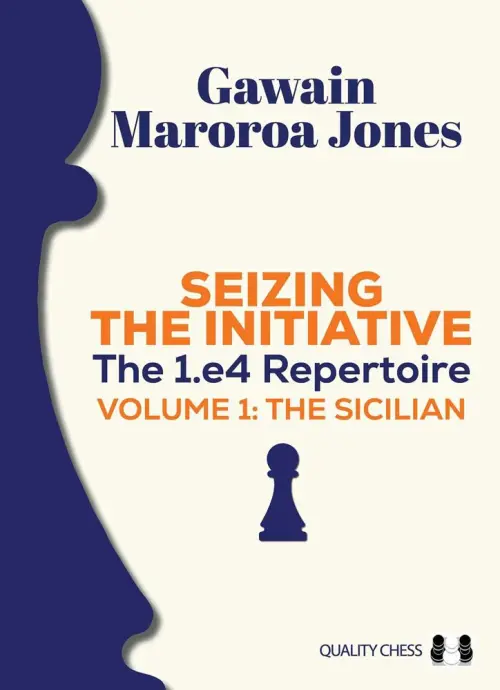
Quality Chess, released August 2026, the first volume of a planned three-volume 1.e4 repertoire. It answers the Sicilian with 2.Nc3, meeting 2…d6 with 3.d4, 2…a6 with 3.g3, and 2…Nc6 with Bb5 lines, plus a bonus chapter on 3.f3.
This book was published weeks before this guide and has no reviews yet, so it is listed on what it covers rather than on any assessment of it. Jones writes in the book that it is “a complete reworking of my Quality Chess work, Coffeehouse Repertoire 1.e4, published in 2021”; if you are choosing purely on published evaluation, the other books here have a record and this one does not.
The Grand Prix Attack: why there is no recommendation here
The Grand Prix Attack is a legitimate and popular route, and this guide deliberately does not recommend a book for it.
Two candidates reached the review stage and neither survived. Sean Marsh’s review of Sveshnikov’s The Grand Prix Attack notes that the coverage is “for both sides instead of a repertoire for White or Black,” and reports the book’s own conclusion that 2.f4 “is not particularly likely to force an advantage for White anytime soon, but at least it will lead to fresh positions.” IM Richard Palliser describes Gawain Jones’s earlier Starting Out: Sicilian Grand Prix Attack as “a typical Starting Out guide with the key plans and moves given for both sides, although Gawain does side a little more with White” — and that book is now eighteen years old.
Neither is dismissed here on quality. But this guide recommends White repertoires, and a reader who wants a Grand Prix repertoire is better served by knowing the current literature is thin than by being sold a two-sided survey as a repertoire.
Comparison
| Book | Route | Level | Year | Pages |
|---|---|---|---|---|
| Negi, 1.e4 vs The Sicilian I–III | Open Sicilian | Advanced | 2015–2016 | 359 / 400 / 488 |
| Shaw, Playing 1.e4: Sicilian Main Lines | Open Sicilian | Club–Advanced | 2018 | 456 |
| de la Villa & Illingworth, Dismantling the Sicilian | Open Sicilian | Club–Advanced | 2017 | 368 |
| Saric, The Open Sicilian | Open Sicilian | Advanced | 2023 | 440 |
| Khalifman & Soloviov, Squeezing the Sicilian | Alapin | Club | 2020 | 456 |
| Haria, The Modernized Anti-Sicilians, Vol. 1 | Rossolimo | Club | 2020 | 520 |
| Kornev, Rossolimo and Friends | Rossolimo / Moscow | Club | 2015 | 348 |
| Esserman, Mayhem in the Morra | Smith-Morra | Club–Advanced | 2012 | 360 |
| Jones, Seizing the Initiative, Vol. 1 | 2.Nc3 | — | 2026 | — |
Frequently asked questions
What is the best book for facing the Sicilian?
There isn’t one, because the routes are not interchangeable. For the Open Sicilian at advanced level, Negi’s three volumes are much the longest option, and reviewers place them at advanced rather than club level. For club players wanting less theory, the Alapin and Rossolimo books answer the Sicilian a different way, with far less main-line theory to carry.
Do I have to play the Open Sicilian?
No. The Alapin, Rossolimo, Moscow, Smith-Morra and a 2.Nc3 move order are all covered by dedicated repertoire books here, and the first four of those routes ask for far less main-line theory than the Open Sicilian.
Which of these needs the least study?
Kornev’s Rossolimo and Friends and Khalifman and Soloviov’s Squeezing the Sicilian are the shortest of the club-level repertoires here. Between Shaw and Negi inside the Open Sicilian, one reviewer put the difference at roughly 540 pages of Sicilian theory across Shaw’s 1.e4 repertoire against about 1,250.
Are the older books still usable?
Esserman’s 2012 Smith-Morra book, Mayhem in the Morra, was still being defended against claimed refutations eight years after publication. Negi’s volumes have not been refuted in any source found, but they date from 2015-16 in a fast-moving area, so expect to update the sharpest lines yourself.
Is there a book on the Grand Prix Attack?
Not one this guide recommends. See the section above for why.
Final Recommendations
The Open Sicilian — the critical test
- Grandmaster Repertoire: 1.e4 vs The Sicilian I–III by Negi (three volumes) — the deepest and most demanding option here by page count, with reviewers placing it firmly at advanced level. The sharpest 2015–16 lines will need updating.
- Playing 1.e4: Sicilian Main Lines by Shaw — the same Open Sicilian route with a much lighter study load: around 540 pages of Sicilian theory across Shaw’s repertoire compared with roughly 1,250 across Negi’s three volumes.
- Dismantling the Sicilian by de la Villa and Illingworth — a genuinely revised Open Sicilian repertoire rather than a reprint of the original edition.
- The Open Sicilian by Saric — a well-crafted repertoire mixing cutting-edge theory with clever move orders. In practice, the material is more demanding than the club-player subtitle might suggest.
The Alapin (2.c3) — low theory
Squeezing the Sicilian: The Alapin Variation by Khalifman and Soloviov — a sound, low-theory route. Reviewers disagree on its accessibility: one considers it suitable from lower club level upward, while another advises players below about 1700 DWZ against it because of the dense, variation-heavy presentation.
Rossolimo & Moscow (3.Bb5) — sidestep the theory
- The Modernized Anti-Sicilians, Vol. 1: Rossolimo by Haria — a dedicated Rossolimo repertoire against 2…Nc6, reviewed at club level. Volume 2 covers the Moscow Variation, but it is not recommended here simply because no review of that volume was found.
- Rossolimo and Friends by Kornev — a complete anti-Sicilian repertoire covering the Rossolimo, Moscow, and Black’s other second moves. Both reviewers recommend it at club level, though one cautions that a reader who wants every concrete move order spelled out risks being disappointed: it is coherent but expects a game database alongside it.
The Smith-Morra Gambit — the sharpest fight
Mayhem in the Morra by Esserman — the sharpest fight here if you are willing to gambit a pawn. Eight years after publication, a forum discussion centered on a supposed refutation still found no system giving Black more than equality.
A 2.Nc3 move order
Seizing the Initiative: The 1.e4 Repertoire, Vol. 1 by Jones — the 2.Nc3 route. Published only weeks before this guide and with no reviews available yet, it is listed here for what it covers rather than on any published assessment of it.
The Grand Prix Attack
No recommendation here. Both candidate books are two-sided surveys rather than White repertoires, so this guide leaves the gap open rather than presenting either book as something it is not — see the section above.
Choose your route, then choose your book

- Best Books on Chess Sacrifices: 6 Essential Reads - October 11, 2026
- Book Review: My First Chess Opening Repertoire - October 1, 2026
- Best Books to Study the Sicilian: A Complete Guide for White - September 18, 2026